This article was originally published in the Globe and Mail for their Sliding Doors series on March 3rd.
In this series, Sliding Doors, we explore real-life crossroads that shape personal ambition: Take the leap or play it safe? Move forward or pivot? We talk to real people facing real-life decisions and speak to experts about the ambition and intuition behind these kinds of choices.
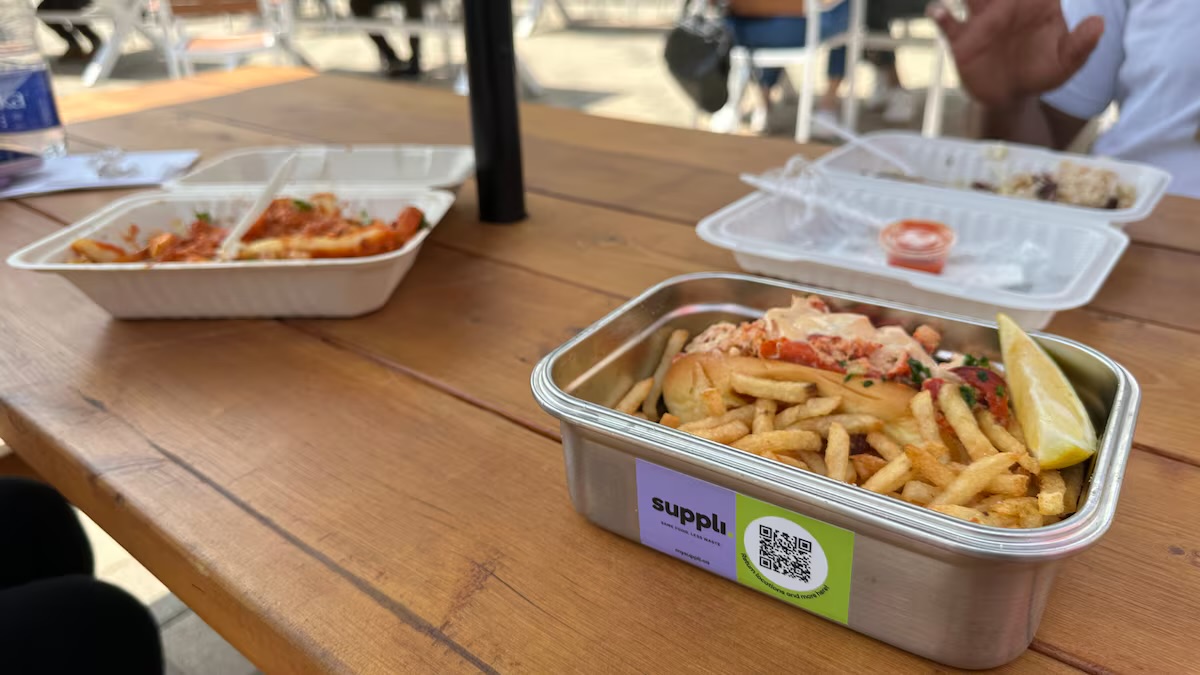
Megan Takeda-Tully had the idea for her business 15 years before finally taking the leap into entrepreneurship.
But that idea – a solution to restaurant take-out packaging waste – remained on the back burner while she built her career as an investment analyst and manager in the corporate world.
“I didn’t think the timing was right to start my own business, [but when] I was on mat leave with my second son, I started digging into it a bit more,” says Ms. Takeda-Tully. “‘Could I actually do it? Could I get containers that made sense? Is there a market for this?’”
After an intense period of research, product development and validation, Ms. Takeda-Tully launched her business, Suppli, in 2020. Suppli is a zero-waste take-out service company that aims to reduce waste from restaurants with reusable packaging solutions.
She says the decision to start a business was not an easy one. “I felt sick to my stomach,” says Ms. Takeda-Tully. “I was basically giving away a very comfortable path to pursue my values and ideals.” The toughest part was taking a 70-per-cent salary cut and investing her own savings into the business, she says.
“I kind of had to go inward and figure out: ‘What makes me happy?’”
Plan for reduced income in the short term
Belinda Clemmensen, founder of The Women’s Leadership Intensive and co-founder of Leader Coach Intensive, says that a business adviser told her early in her own entrepreneurial journey that it takes “three to five years for a business to become self-sustaining, meaning you’re not in constant building mode.”
She advises anyone planning a leap from a 9-to-5 job to entrepreneurship to plan for three years of reduced income and increased investment. New business owners should also be prepared to not meet their financial goals in the first few years, she adds.
“Some businesses do, and I hope yours is one of them, but many do not and you need to know how you will weather that storm should you find yourself there,” says Ms. Clemmensen.
“Do you have savings you’re willing to use? Are you prepared to get a side hustle to pay some bills if necessary? Do you have support from a partner? What are the ways you’d manage if your business isn’t an instant financial success?”
If entrepreneurs can answer those questions, they can save themselves from adding personal financial stress to “the pile of other potential stressors that come with building something new,” she says.

Seek out a support network
A solid support network is a key part of launching a new business, says Ms. Clemmensen, so it’s a good idea to “invest some time and energy” into connecting with people who can help you on your journey.
Ms. Takeda-Tully says she didn’t have that kind of small business support when she got started, but she’s since built a network of mentors and advocates in the startup world who believe in her mission and vision.
“I wasn’t really plugged into a huge network of Toronto-based founders [and] advisers, which I think really helps in the early days as you test and iterate [and] explore different paths for funding, technology, staffing,” she says. “Plugging into accelerators and founder programs was the best thing I did.”
Ms. Takeda-Tully recently fundraised for Suppli with large investors including BDC’s Thrive Lab, which invests in sustainable businesses founded by women.
Ms. Clemmensen advises entrepreneurs to focus on what they can control to attain a sense of agency while building their business. “We can only control what we can control. The rest of it we need to find a way to make peace with, adapt and move on to the next approach,” she says.
“Stay strongly connected to your ‘why,’ the reason you started your business in the first place. That will be your compass.”
For Ms. Takeda-Tully, that “why” was a strong desire to create the change she wanted to see in the sustainability space, a vision that has gotten her through challenging times.
When starting a business, it’s important to trust your gut, she adds.
“As an entrepreneur, you really need to be clear and comfortable with how you’re defining success for yourself. This will influence how you build your business and how you fund it.”
 Inclusive Entrepreneurship